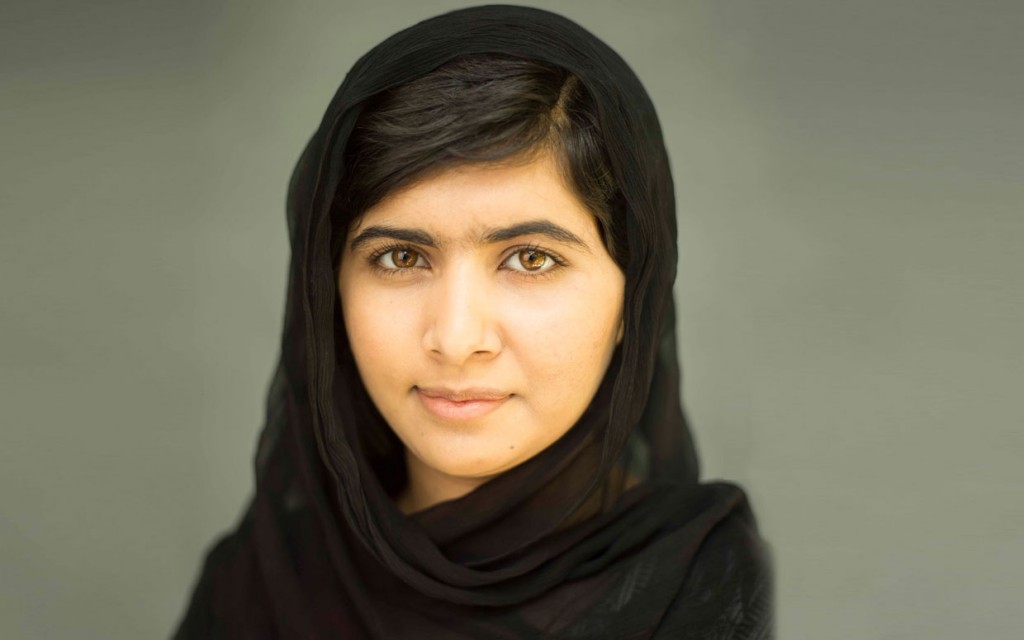
The first crack that widens to a gender gap begins long before women enter the workplace. Mine began opening when I was 11, a girl from Tehran, enjoying a two-week visit to see my older brothers in Los Angeles.
Seemingly overnight, I went from delighted tourist to startled refugee. On television, we watched the footage of familiar buildings of my home city being set ablaze. It was December 1978, and the Iranian Revolution was gathering momentum. With the worsening political situation, my parents decided my siblings and I should remain in the U.S. and study.
Initially I was entranced, taking in the sheer plentitude of California. Six months passed, and the shock of adjustment set in. It would take five and half years until my parents escaped Iran to join us. I began navigating this new culture, one that seemed in constant collision with the one I had left.
I admired the women in my family for their resilient spirit and their orientation toward keeping a strong, tight-knit family, but it was always at the cost of not having a viable outlet for their own personal ambitions. Around me, few women in good financial standing worked outside of the house.
I had always assumed that I shouldn’t entertain too lofty goals for myself, fearing that I was veering out of my restrictive cultural mandate; however, I was shocked and strangely fascinated by how the American girls who had become my friends were mapping out their target universities and career plans. These girls were direct. They articulated their goals with confidence and enthusiasm.
I grappled with a feeling of “doubleness”–not fully belonging to any culture. Could I build a life in America while retaining my Iranian values? Would I be deemed too self-centered by my family if I chose to work?
Looking back, I see that I longed for a mentor to help me navigate this rocky terrain. I remember casting about for role models, but none were readily available. So, I found my mentors by reading biographies of bold people who challenged the status quo. Their journeys, their stories, opened a larger framework of purposeful and meaningful possibilities for me.
Today, young women in every country are in need of mentors to spark their first visions of wider options. They need help creating personal connections with inspiring women, for support, motivation and encouragement. We need to build access to achievement.
The World Bank Group’s report “Women, Business and the Law 2016,” released in early September, studied 173 world economies and found that 90% of them had at least one law that discriminated against women, limiting their individual—and by extrapolation—their countries’ economic prospects. This is sobering news, especially coming 20 years after countries pledged to work toward gender equality at a United Nations conference in China.
Although a growing number of organizations such as Best Buddies International, Big Brothers Big Sisters, Boys & Girls Clubs of America and MENTOR have formal mentoring programs and networks, the playing field remains far from level.
According to National Mentoring Partnership, 17.6 million young Americans today are in special need of mentors. Of that number, only 2.5 million are in mentoring relationships, while the remaining 15.1 million are left in a mentoring “gap.” Surveys of upper-level American managers find that almost half of women of color and close to a third of white women cite a lack of influential mentors as a major barrier to advancement.
Emerging research shows that girls’ social and emotional learning is most impacted through group mentorship. Developing more formalized links with girls’ associations and girls’ groups and enrolling young women in an afterschool peer and mentorship groups is one way of making quality mentorship scalable and available to a larger population. Those enrolled can then participate in skill-building programs, corporate visits, be introduced to women leaders in various industries and take part in internships and conferences, to pass the invisible boundaries set by narrowly conceived possibilities.
At most conferences that I attend, women leaders are usually addressing other well-established women. When do we ask young women, or disadvantaged youth to join the conversation?
Given my personal story, when I organize a salon, I provide a bus for inner city high-potential girls, who might feel like “outsiders” themselves, to attend. My colleagues and I have found that some of the most interesting questions and memorable interactions have come from this group. Many of our panelists and speakers make themselves available to offer guidance to these girls through email, a phone conversation, or one-on-one chats.
We might close the country’s mentorship gap effectively and avoid duplication of systems by bringing together public and private sector organizations and leaders across each state. Such collaborations can facilitate statewide, centralized mentoring services.
In Canada, for example, the Alberta Mentoring Partnership launched the #8000Mentors recruitment campaign in 2014. The Partnership is a coalition of government, business and community groups whose mission is to provide a mentor for every youth in care in Alberta. Certainly this campaign has brought mentorship to the forefront of priorities.
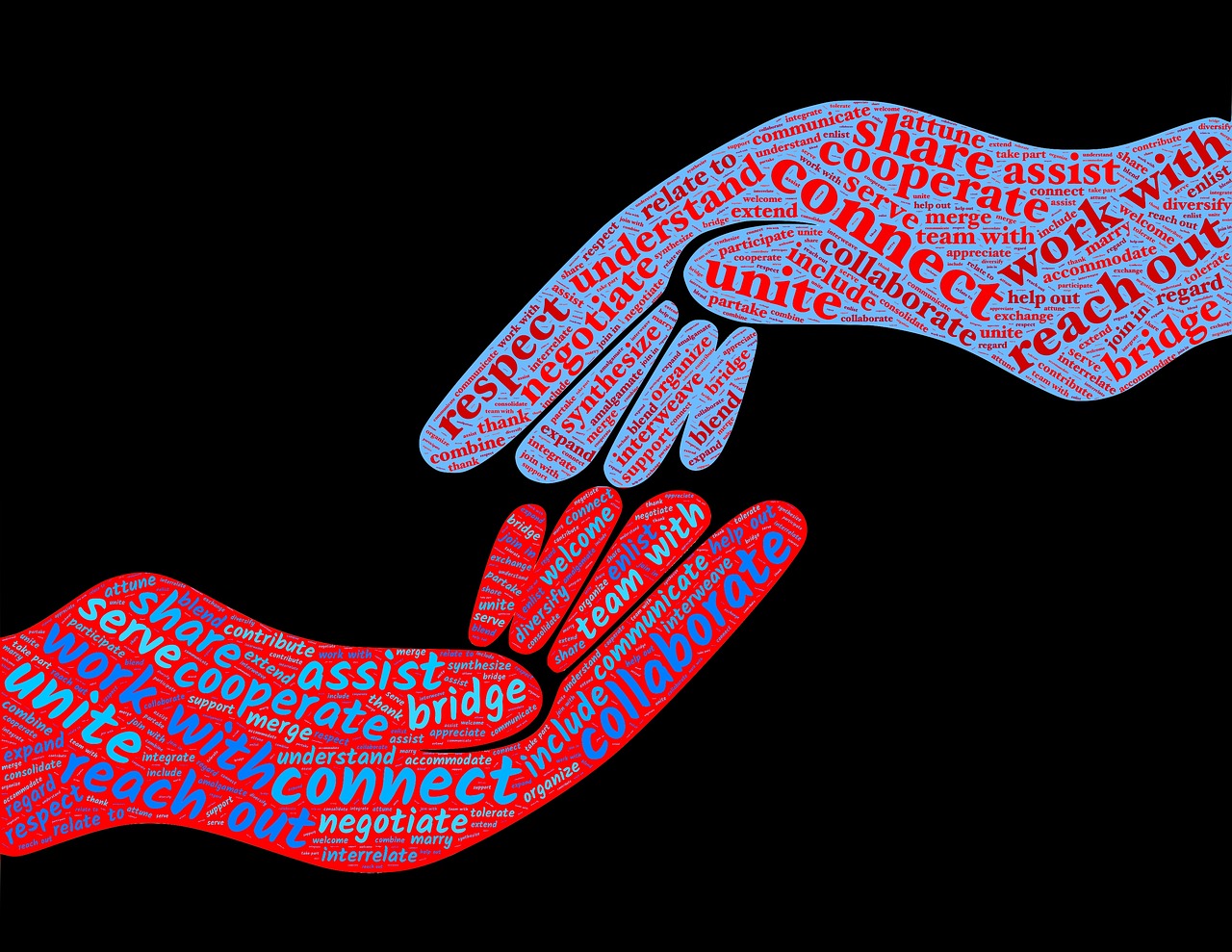
Women “lean in” in different ways, one of which is becoming a champion for other women and girls. Anyone who has had a success has had people, programs and personal experiences that bridged the gap between their present and future selves. Our young girls and women, especially those of minority and lower-income backgrounds, deserve the opportunities that mentorship can provide.



 Charles Bukowski, who is one of my favorite poets, was adamant that the writing should burst out without coercion or commercial ambition.